
Send & Receive
Review the address, network, amount, gas and transaction hash as one workflow.
→imtoken
A multi-chain wallet, blockchain network and Web3 knowledge hub from imtoken
Manage assets across networks, understand receiving and sending, review DApp connections and approvals, and build practical security habits with clear network knowledge.
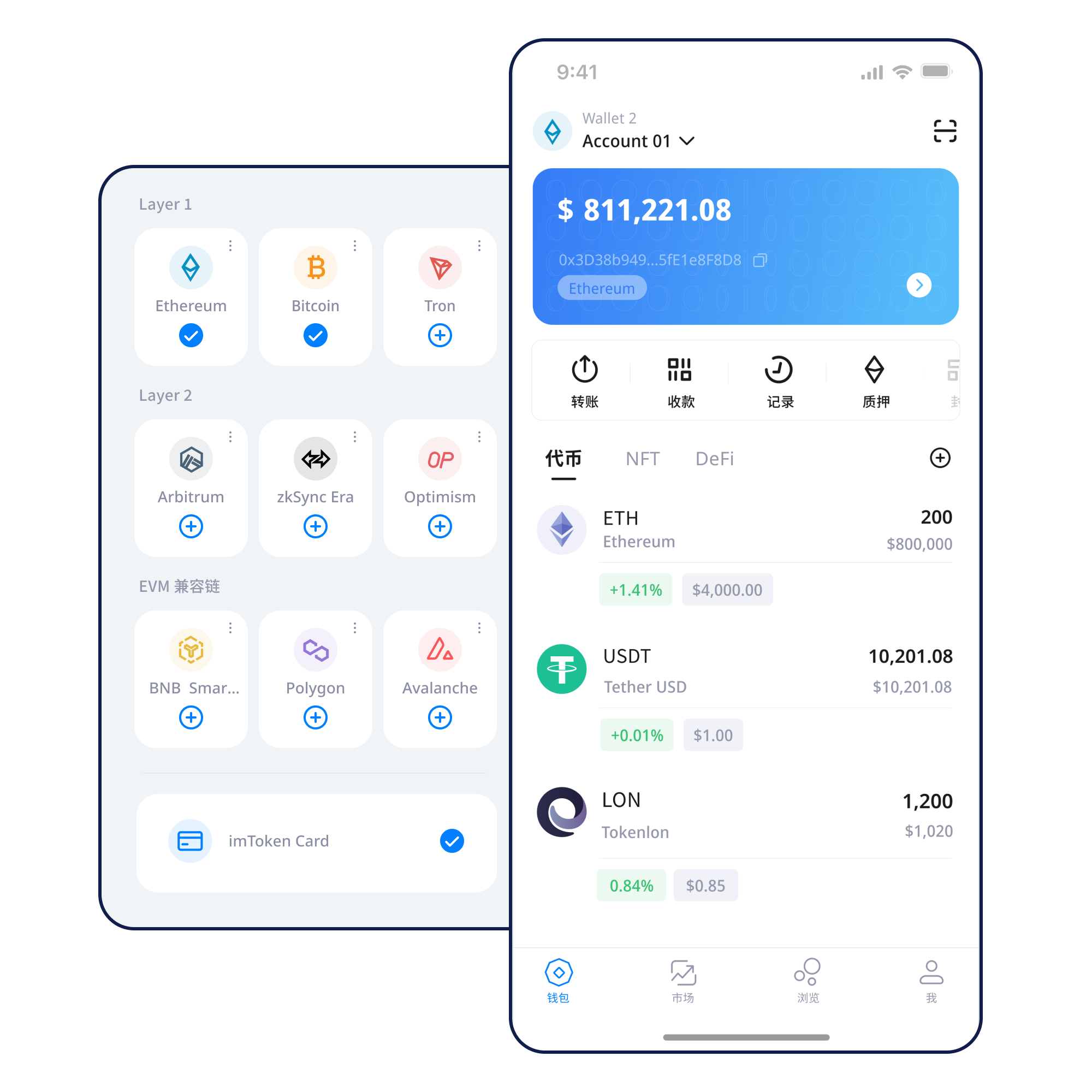
Quick tasks
Start with a new wallet or import an existing one while keeping recovery credentials offline.
Verify your backup before relying on it, and never send a seed phrase or private key to anyone.
Share the correct receiving address and confirm the sender is using the same blockchain network.
Review the destination, network, amount and gas before confirming an on-chain transfer.
Verify the domain, connection request, signature and approval scope as separate decisions.
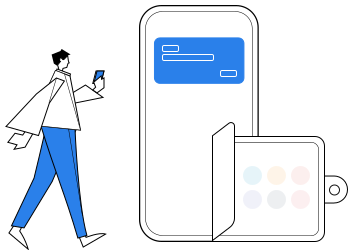
A wallet can display assets from multiple networks, but each transfer still belongs to a specific chain. Verify the network, receiving address and confirmation state together.
Explore multi-chain basics →Review the address, network, amount, gas and transaction hash as one workflow.
→Mobile wallet use for assets, networks, transaction records and DApp access.
Browser connections should keep domain checks, signatures, approvals and disconnecting visible.
→
Keep seed phrases and private keys offline and review DApp permissions.
Network knowledge
Network selection affects fees, confirmations, contract behavior and where assets are recorded.
Asset names can look similar across networks. Confirm network identity and contract context before transferring.
Public chains record transactions through network consensus; explorers help verify the resulting records.
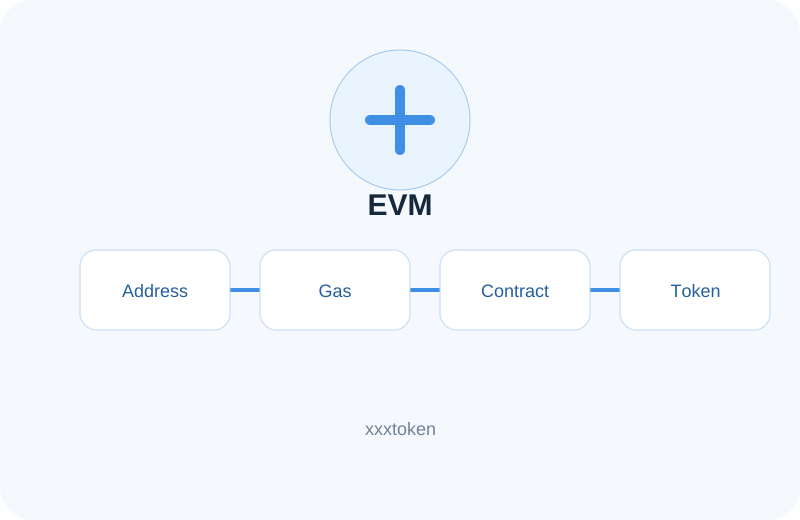
EVM networks share execution concepts, but network settings, fees and contract addresses still need independent verification.
Cross-layer transfers can involve bridges, waiting periods and separate confirmation states.
Gas reflects execution cost conditions; confirmations help show whether a transaction remains recorded in the chain.
Wallet journey
Use the official download entry and avoid unknown repackaged files.
Understand what recovery information controls the wallet before adding assets.
Keep the seed phrase private and never send a private key to anyone.
Check network identity before using an address, token contract or DApp.
Review the address, network, amount and fee before confirming.
Use transaction records and remove permissions you no longer need.
Web3 & DApps
Every signature and approval should be checked on its own. A connected wallet does not mean you should approve every subsequent request.
Open Web3 guideSecurity
Wallet security is a set of repeatable checks. Keep seed phrases and private keys offline, verify network and destination details before transfers, read each signature request, and periodically review DApp approvals. Public computers, public Wi‑Fi, clipboard changes and remote-control requests deserve extra caution. imtoken cannot recover a private key you disclose or lose.
Open Security Center →Featured guide
A useful starting point is to connect eight ideas: address, seed phrase, private key, network, gas, transaction hash, DApp and approval. Each describes a different part of wallet use. Understanding the boundaries between them makes later actions easier to verify.
Read the getting-started guide →How nodes, blocks and confirmations form a public record.
EVMEVM and smart contractsAddresses, gas, tokens, contracts and approvals.
Layer 2Layer 2 basicsMainnet relationships, bridges and confirmation paths.
DAppToken approvalsReview targets, limits and permissions that remain active.
SecurityWallet securityCredential custody, phishing checks and device safety.
GlossaryBlockchain glossaryConcise explanations for common on-chain terms.
Ethereum
Learn how Ethereum PoS, validators, reward sources, network status, withdrawals and exits relate to one another.
Read staking guide →Updates
FAQ
Answers focus on concepts and safe troubleshooting without asking for sensitive credentials.
View full FAQ →Back up the recovery information required by your wallet in an offline, private form. Never enter a seed phrase or private key into a website.
Assets and transactions belong to specific blockchain networks. The destination and sending network must be compatible.
Gas is the network resource used to execute transactions or smart-contract calls. The required fee can change with network conditions.
No. Connection, signing and token approval are separate requests and should be reviewed independently.
On-chain transfers are generally not reversible by a wallet provider. Check the destination, network and amount before confirming.
No. Rewards can change, exits can take time, validators can face penalties, and smart contracts or third-party services can introduce risk.
imtoken
Use the official download entry, then follow the wallet, network and security guides as you build your own routine.